|
|
The Village Dispatch: CMHRC's August Newsletter Giving Corner: Give $25 in 2025 Wednesday Webinars: Emergency Preparedness, When You Live with Mental Illness Clinical Seminar for Professionals: Differentiating Bipolar & ADHD Book Club: Nineteen Minutes, by Jodi Picoult |
Acta Psychiatrica Scandinavica |
|
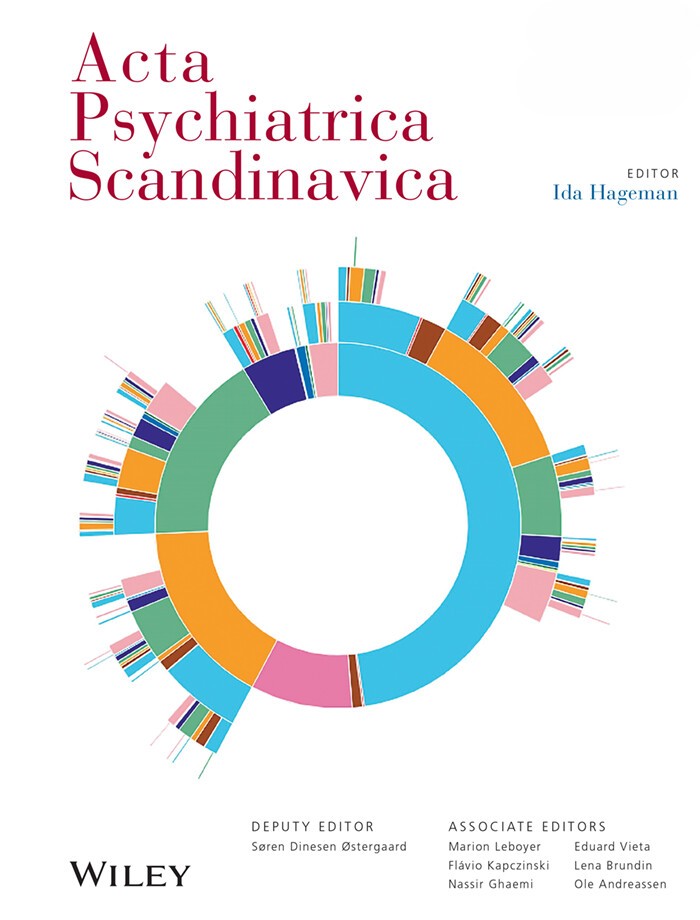
We are thrilled to share that the long awaited paper - outlining the newly recognized phenotype of bipolar known as Fear of Harm (FOH) - has been published!
The prestigious international journal, Acta Psychiatrica Scandinavica, is an international forum for information and research vital to the advancement of science and the practice of psychiatry.
After years of research and clinical implementation, authors Demitri Papolos, Martin Teicher, and Robert Post's article outlining Thermoregulatory Sleep Dysregulation Disorder (more commonly known as FOH) and its treatment protocol has been published in this esteemed journal. |
|
|
Clinicians: Look forward to our upcoming Continuing Education offering based on this article! |
Thermodysregulation, Sleep, and Mental Health |
|
A significant focus of this new paper is onthermodysregulation (or temperature disruptions), which influences symptom expression, diagnosis, and treatment. "At the heart of Thermoregulatory Sleep Dysregulation Disorder (TSDD) is a failure of the body to properly manage internal heat, especially during transitions between sleep stages," explains Dr. Papolos, lead author on the paper. "Normally, body temperature drops slightly before sleep. In people with TSDD, the body may keep generating heat or fail to cool down, causing sleep to be disrupted and the brain to interpret these changes as a survival threat. This sets off intense dreams and fear responses, reinforcing anxiety and aggressive reactions during the day."
Early detection is a key to good treatment. With early and accurate diagnosis of TSDD/FOH we can implement safe and easy interventions that can dramatically reduce the intensity and frequency of TSDD/FOH symptoms. Even better, the temperature balancing treatment protocol outlined in the paper has shown in clinical practice to bring children and adults alike relief from potentially devastating and unrelenting symptoms. |
Medication Matters |
|
The paper begins with a systematic review of juvenile onset bipolar disorder treatment options and their effectiveness. The authors outline not only best practices for treatment of TSDD/FOH, but also examine what has been shown to work for bipolar disorder in children more generally. |
|

|
Treatment for bipolar disorder in children is difficult to access for many families as a result of some ongoing (and unnecessary) controversy, leaving uncertainty regarding non-classic presentations. Drs. Papolos, Teicher, and Post feltthere was a critical need for a review of the literature on prodromal as well as fully emerged bipolar disorder in childhood. Therefore, they engaged in a broad systematic literature review.
The authors' own treatment protocol for TSDD/FOH reinforces that mood stabilizing medications are still the first and best line of defense for treating bipolar disorder regardless of age, and despite the hesitancy of some prescribers, lithium is still the gold standard medication for bipolar disorder treatment. Focusing on the TSDD/FOH subtype, they provide data on clinical implementations of medicinal interventions including lithium, clonidine, and ketamine, the use of which leads to improved symptom profiles as well as to improved quality of life. |
CMHRC Is Leading the Way |
|
CMHRC's executive director and founder, Elizabeth Errico, worked closely with Dr. Papolos at the Juvenile Bipolar Research Foundation (JBRF). "I was very fortunate to have worked with Dr. Papolos on some of the research he led into childhood bipolar and FOH. I had a front row seat to the rigor and import of this research and I couldn't be more pleased that it's beginning to get the recognition it deserves."
What does she have to say about the reluctance many providers have shown over the years about treating juvenile onset bipolar and TSDD/FOH? "I can only hope the publication of this paper, in this outstanding journal, will encourage and support providers to implement the protocol it outlines with confidence."
CMHRC's community advocacy program has been sharing information about TSDD/FOH and its treatment protocol for years, as it's been trialed in clinical practice. Last year, CMHRC hosted a 3-part webinar series in which Elizabeth and Dr. Papolos discussed the identification of the diagnosis and the outline for its proposed treatment. "There is no question in my mind that the treatments Drs. Papolos, Teicher, and Post are advocating in this paper work," she tells us. "I've seen with my own eyes, countless times, the transformational impact of this treatment protocol, and it's no exaggeration to say it saves lives." (Click here to view that seminar series.)
In the coming months CMHRC will continue to partner with JBRF to get the word out. Elizabeth let us in on the news, "We're actually planning some exciting new live events, and plan to make recordings available for continuing education. We're going to make it easy and accessible to get trained up on identifying and treating this newly recognized form of bipolar." So, be on the lookout for news about that event in the coming weeks. |
|
|
GIVING CORNER |
|
2025 is here—and we’re inviting you to be part of something simple, powerful, and meaningful. |
|

|
We’re asking 2,025 supporters to each give $25. That’s it.
Why? Because small gifts from many people can create real change. Your $25 will go directly to making our work providing psychoeducation, advocacy, and support to families and mental health professionals possible. |
|
It’s easy. It's quick. It's affordable. It matters. |
|
Together, we can turn 2025 into a year of generosity and growth. Thank you for being part of this movement. |
|
|
|
An emergency preparedness checklist typically includes essential supplies for short-term survival, communication tools, and important documents. But what special considerations do you have to make when you or your loved one lives with a mental illness? How do you prepare a child with a mood disorder for the possible dangers of a |
|

|
coming hurricane? How many days of medicine do you need to have on hand? How do you use your cooling strategies if you’ve lost power? What if you or your loved one follows a special diet as part of mental health treatment?
As we recover from the heat domes of summer, head into the fall and the toughest part of hurricane season, and we await the inevitable winter storms it’s time to know how to be prepared. Join us for this close examination of how to prepare for emergencies when you or your family members live with mental illness. |
|
|
|

|
One of the most common misdiagnosis for kids with bipolar disorder is to be diagnosed with ADHD. Join us for this deep dive into the differences between bipolar disorder and ADHD in terms of symptoms like hyperactivity, impulsivity, and aggression and how they present in each. The presentation will include analysis and discussion of the diagnostic criteria, the role the DSM plays, |
|
and will share information from the works of Dr. Charles Popper and Dr. Demitri Papolos (author of The Bipolar Child).
Join us live for one of our most popular and most requested clinical seminar trainings to participate in the live Q&A session. |
|
|
|
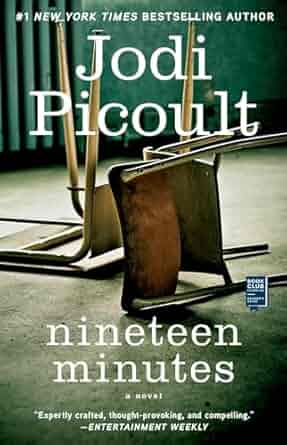
Sterling is an ordinary New Hampshire town where nothing ever happens–until the day its complacency is shattered by a school shooting. Josie Cormier, the daughter of the judge sitting on the case, should be the state’s best witness, but she can’t remember what happened before her very own eyes–or can she?
Conversations intertwine the issues associated with mental health, mental illness, and social violence. This complexity can both promote as well as reduce the stigma and fear associated with mental illness. Nineteen Minutes allows us to examine what it means to be different in our society, who has the right to judge someone else, and how mental health plays a role in understanding who we are as a community. Join us for this very special Book Club session on Nineteen Minutes. |
|
|
*CMHRC Book Club sessions have a non-refundable $10 registration fee, which supports both the Book Club staffing as well as our other free programs and services. |
|
|
|


|
Sent by CMHRC ::unsubscribeLink::
|