|
|
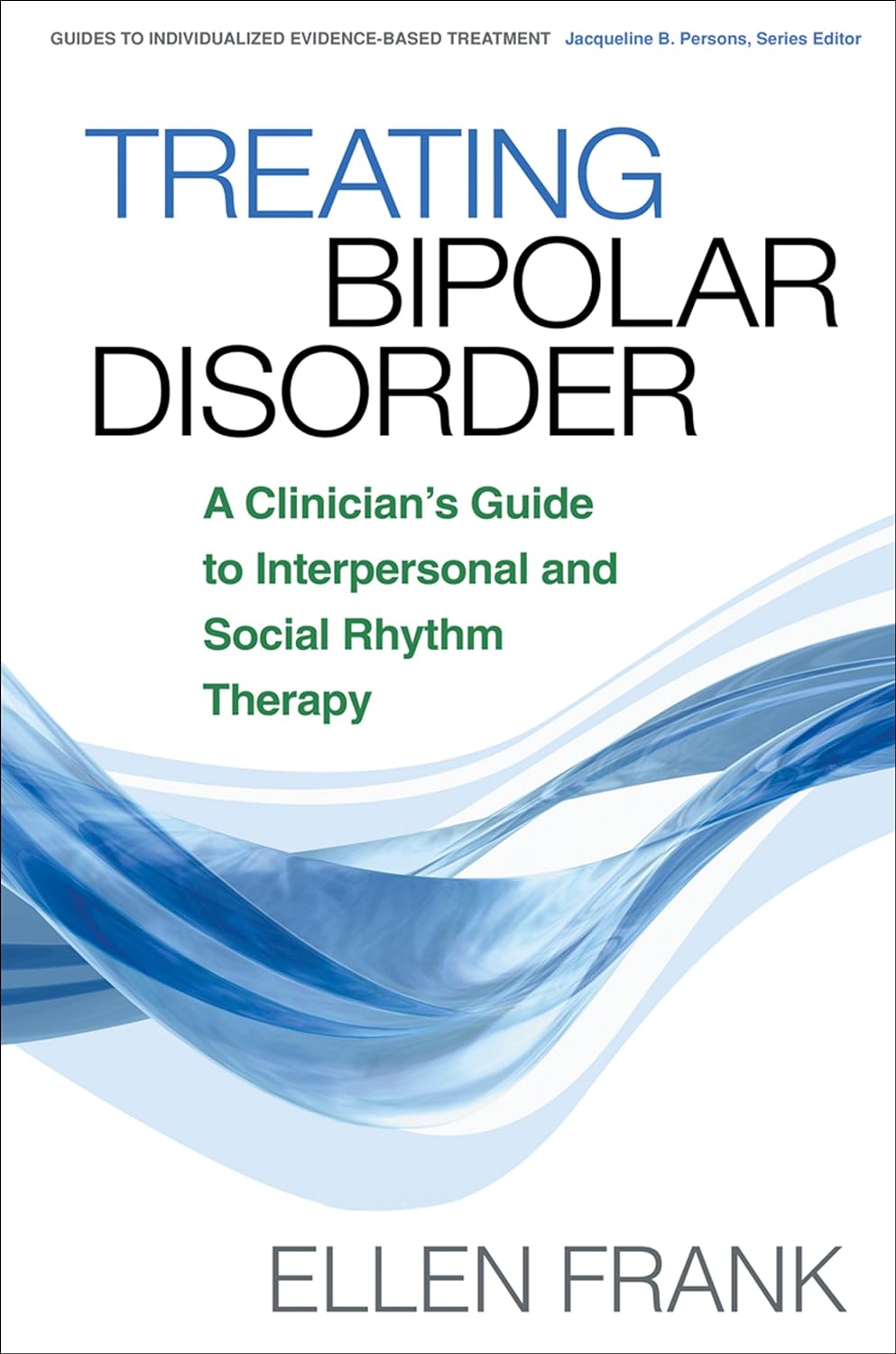
The Village Dispatch: CMHRC's June Newsletter Giving Corner: Children's Mental Health Awareness Month Fundraiser Update Wednesday Webinars: The Secret of Success: From Symptoms to Insights on Your Mental Health Clinical Seminar for Professionals: Ketamine in Mental Health Treatment Book Club: Treating Bipolar Disorder: A Clinician's Guide, by Ellen Frank |
The Reality of School Discipline |
|
There is a regressive movement afoot calling for disciplinary decisions in schools to be based solely on students' behaviors and actions, with a disregard for individual circumstances or needs. This can have absolutely devastating consequences for children and teens living with mental health disorders. Homeschooling can be an answer, not as a retreat from learning, but as a powerful, nurturing, and often life-improving alternative. |
|
|
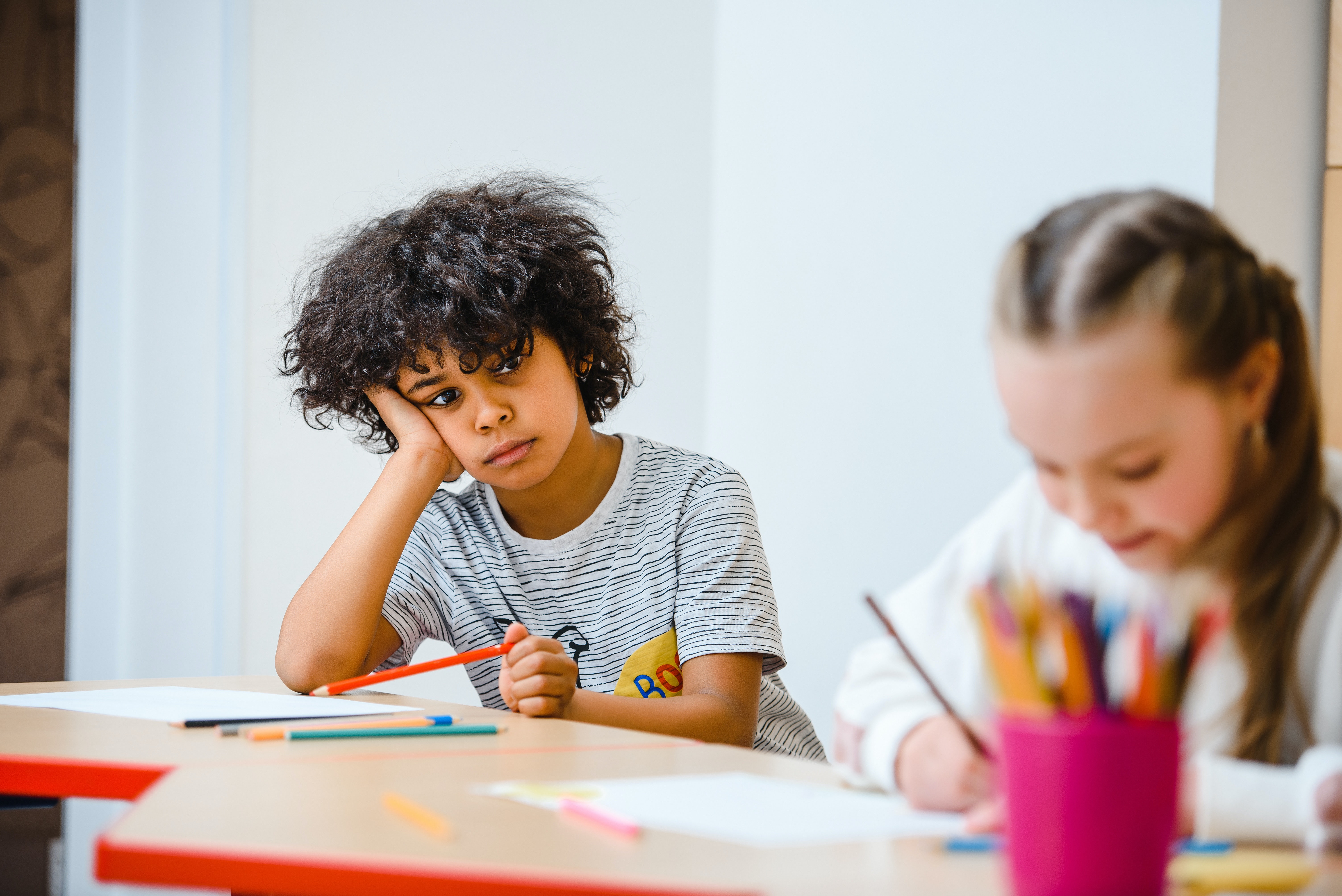
Two years ago, CMHRC Executive Director Elizabeth Errico was a featured guest on NPR's program "On Point" with Meghna Chakrabarti, discussing the issue of discipline in school. Elizabeth brought the voice of empathy and compassion to a conversation about this (misguided) trend that is sweeping through state legislatures and more recently the federal government. It seems that despite the mounting youth mental health crisis, schools and politicians continue to advocate for ignoring the needs of vulnerable students in favor ofincreasing ineffective and outdated discipline methods in schools.
In CMHRC's community of families, our children are routinely misidentified by their schools as "misbehaving" and labeled as a "discipline problem" or a "bad kid." But, what most people call "misbehavior," is actually undeniable evidence of unmet needs and involuntary symptoms, not willful or intentional behavioral choices, and when students who need therapeutic support are met with discipline instead, it only serves to escalate their dysregulation and any disruptions it causes. This ultimately leads to less learning and more school trauma for all students.
As a result, for children and teens living with mental health disorders, the traditional school environment may no longer be the safest place for them to grow and learn. |
Mental Health Comes First |
|
|
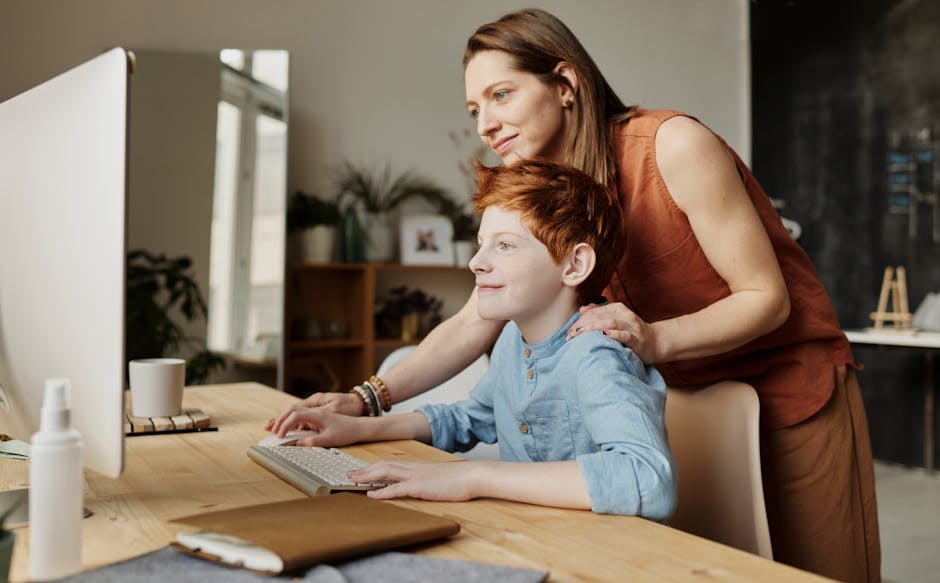
In a homeschooling environment, mental health is not secondary to academics; it is a foundational part of learning.
Meeting mental health needs, providing access to effective treatment interventions, learning accommodations, and social and emotional support are of equal importance to academics. |
|
“Homeschooling was instrumental in helping us figure out what mood disorder our child has. Once we wiped the slate clean of the school trauma and the constant battle to get the accommodations our child needs, we were finally able to focus on treating the mental illness effectively. Honestly, it’s made all the difference.” – CMHRC Homeschooling Parent |
|
Traditional school can intensify feelings of isolation, social anxiety, or low self-worth for children with mental health conditions, especially when bullying, overstimulation, or performance pressures inevitably come into play. Homeschooling creates a safe space where kids can rebuild confidence, develop at their own pace, and form authentic relationships with those who understand and respect their journey. |
A Customized Learning Environment |
|
Mental illness can interrupt the learning process but, in a nurturing homeschool environment, academics don't have to be derailed. When homeschooling, academic goals are realistic and aligned with the student’s individual capabilities. Progress is measured not just in grades but in the child's emotional regulation, increased confidence, and ability to reengage their own curiosity and desire to learn.
Importantly, homeschooling grants students the flexibility to structure their days around needed therapy appointments, self-care, and their individual circadian rhythms, allowing families to tailor lessons to their child’s cognitive and emotional capacity on any given day. If a teen is experiencing a depressive episode, the schedule can be adapted to accommodate their decreased stamina. If a child struggles with cognitive dulling in the morning, learning can be concentrated during optimal afternoon hours.
These simple homeschool accommodations reduce symptom triggers and create a safer, more supportive setting for both emotional healing and academic growth. |
Real Support Makes All the Difference |
|
For all it's benefits, homeschooling isn't an easy task, and doing it alone can feel overwhelming. Homeschooling takes a lot of planning, preparation, energy, and dedication.
Luckily, choosing to homeschool doesn’t mean going at it alone. Support groups, co-ops, tutors, online courses, and mental health professionals form a community |
|

|
around homeschooling families. Together, these supports provide resources and encouragement, ensuring both the child and their caregivers feel seen and supported.
"It's not the isolated distance learning people did during COVID," says Elizabeth (CMHRC Executive Director and former homeschooling parent)."You're not making sure that assignments a teacher has designed and sent home are completed.You're developing and implementing your own curriculum. It does take a lot of time, but with support it is absolutely possible. It's |
|
“I used to laugh when people suggested I homeschool my child who lives with bipolar disorder. I'd think, 'I work full time, I have other children, how in the world do you expect me to do that?!' But the school trauma was crushing my child's spirit and the bipolar symptoms just kept getting worse. He wasn't learning. Homeschooling is hard, but now, with a community around us to support our homeschooling, I can't imagine not doing it. It's made his whole world better.” – CMHRC Homeschooling Parent
|
|
also freeing when you realize that you can cater the curriculum to your child's needs and to their interests. Building a model of the solar system out of Lego, watching a documentary on volcanos, planning and planting a garden, or going to see a play are all legitimate homeschool learning projects. While it can feel daunting, having help makes all the difference." |
CMHRC Is Stepping Up |
|
To meet this increasing community need CMHRC is stepping up. Later this year we will be launching new programs designed for parents choosing to homeschool their children who live with mental health disorders. Email us at info@cmhrc.org if you'd like to get involved. Stay tuned for more information about how you can keep your children safe, and help them grow into their emotional, social, and intellectual potential. |
|
Homeschooling is a choice rooted in love, flexibility, and an understanding that healing and learning can happen side by side. Homeschooling a child or teen with mental illness isn’t about giving up on education, it’s about reimagining what learning is and creating the time, space, and tools your child needs not just to survive, but to thrive. |
|
|
GIVING CORNER |
|

|
Children's Mental Health Awareness Month Fundraiser Update |
|
Thank you for your generosity during Children’s Mental Health Awareness Month. All of us at CMHRC, are deeply moved by the commitment of our CMHRC Family of Donors. |
|
We raised $20,000 in the month of May and are only $5,000 away from our goal.
If you missed the opportunity to participate in our spring fundraiser, not to worry! Gifts can be made year round through our safe and secure online giving platform, on our website, by clicking the link below, or by mailing a contribution to: |
|
CMHRC Gift Processing 111 Hekili St. Suite A-600 Kailua, HI 96734 |
|
Thank you for your generosity, your compassion, and for being an essential part of the CMHRC community. |
|
|
|
Parents, are you tired of feeling like your life is falling apart when your child is having a symptomatic day? Providers, are you tired of feeling as though you’re only hearing about what happened 15 minutes before your patients arrived at their appointment? Well, we have a simple solution, it’s called data tracking, and it’s easier than you think. |
|
|
Join us for this free webinar where we’ll take a deep dive into how to assess symptom severity, frequency, compare their presentation to baseline behaviors, assess objectively if medications are impacting symptoms in the way they’re supposed to, and more.
Parents, learn how to become a citizen scientist, ready to accurately and objectively track your child’s mental healthcare journey. Providers, learn how you can follow your clients in real time when they’re not in your office and access this accurate, up date, and objective information on how they’re managing at home. |
|
|
|

|
Ketamine is a safe and effective medicine that's been widely used for decades. But, some people have never heard of it because until recently it’s mainly been used in general anesthesia. Other folks may only know of it as the illegal recreational drug known as 'Special-K'. But the truth is that ketamine is so much more than either of these. |
|
Ketamine is a lifesaving medication, with unique properties that can treat everything from depression, to chronic pain, to temperature dysregulation. It’s even been shown to inoculate trauma victims against developing PTSD, if administered immediately after a traumatic event. Over the past 60+ years ketamine has earned its place on the World Health Organization’s “Essential Medicines List” and its “Essential Medicines List for Children.”
Come take a closer look at ketamine and its application in mental health treatment with our special guest, and registered nurse who specializes in ketamine therapy. |
|
|
|
This innovative manual presents a powerful approach for helping people manage bipolar illness and protect against the recurrence of manic or depressive episodes. Interpersonal and social rhythm therapy focuses on stabilizing moods by improving medication adherence, building coping skills and relationship satisfaction, and shoring up the regularity of daily rhythms or routines. Each phase of this flexible, evidence-based treatment is vividly detailed, from screening, assessment, and case conceptualization through acute therapy, maintenance treatment, and periodic booster sessions. Among the special features are reproducible assessment tools and a chapter on how to overcome specific treatment challenges. |
|
|
*CMHRC Book Club sessions have a non-refundable $10 registration fee, which supports both the Book Club staffing as well as our other free programs and services. |
|
|
|


|
Sent by CMHRC ::unsubscribeLink::
|