|

The Village Dispatch: CMHRC's October 2026 Newsletter |
Wednesday Watch Party!: From Bedtime Battles to Better Sleep |
|
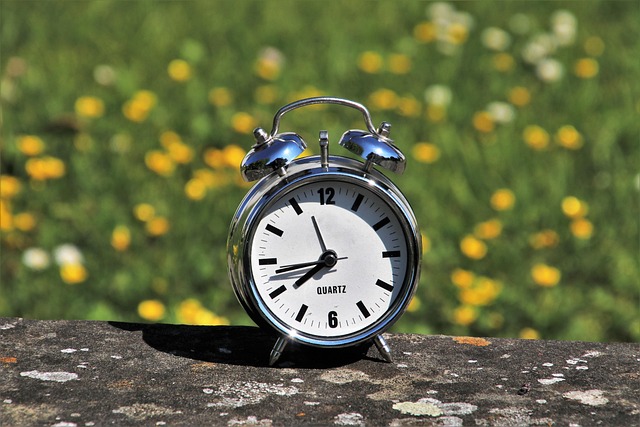
Every spring, millions of families dutifully set their clocks forward one hour and every fall they set them back again. Each time, families brace for a week of grogginess, grouchiness, and added challenges. Most accept these rituals as a minor inconvenience before life returns to normal.
But these clock changes are a significant disruption to the body's internal rhythms, and for children and individuals living with mood disorders, the consequences can be serious, lingering, and deeply misunderstood. |
|
The Mood Disorder Connection |
|
For individuals living with bipolar disorder, anxiety, depression, or related conditions, the shift to and from Daylight Saving Time can act as a trigger that worsens an already fragile equilibrium. Sleep and mood are deeply intertwined, and when sleep is disrupted, mood instability tends to follow.
In short, when those already-fragile sleep systems face an external disruption, emotional regulation suffers, and symptoms can intensify. |
Children Bear a Disproportionate Burden |
|
When a child's sleep cycle is thrown off by DST, the effects are often visible in symptoms that adults may misinterpret as willfulness or defiance.
Disrupted sleep in children impairs a range of cognitive functions, including decision-making, working memory, conflict resolution, and the capacity to learn new information. It lowers frustration tolerance and heightens emotional reactivity. For children already managing mood disorders the clock change can push their systems too far. |
Why Making DST Permanent Is Not the Answer |
|
The Sunshine Protection Act, introduced in the U.S. Senate, proposes eliminating the twice-yearly clock change by making Daylight Saving Time permanent. On the surface, it sounds like a relief, but permanently locking in DST would be the wrong solution.
The core problem is this: DST is a social construct layered on top of natural light patterns that the human body evolved to follow. Standard Time aligns more closely with the sun's natural arc and better supports the morning light exposure that regulates serotonin, mood, and wakefulness. Permanent DST would chronically suppress morning light cues the brain depends on for healthy mood regulation, meaning prolonged suppression of serotonin and a longer daily delay in melatonin productionevery single morning of the year.
Permanent Standard Time, by contrast, has received broad support from sleep scientists and mental health professionals as the healthier permanent option. Eliminating the clock change entirely in favor of Standard Time would end the disruptive bi-annual shift while better supporting the body's natural light-based rhythms. Making DST permanent would eliminate the disruption of changing the clocks while entrenching the conditions that make DST itself problematic in the first place. |
Three Action Steps for Parents |
|
Parents, there are things you can do to help your child through the changes coming in a few weeks, and in the spring.
1. Gradually shift bedtime in the days before the change. Move your child's bedtime 10-15 minutes earlier each night for four to six nights before the clocks change. This gentle, incremental shift allows the circadian rhythm to adjust slowly, reducing the impact of the transition. Aim to maintain a consistent sleep and wake time seven days a week.
2. Prioritize morning light exposure. Morning sunlight signals the brain to suppress melatonin and begin producing serotonin, helping to realign the sleep-wake cycle. In the evenings, reduce exposure to screens and bright artificial light, particularly blue light from devices, which can delay melatonin production and push sleep onset later.
3. Reduce demands and maintain routine. The week following the clock change is not the time to introduce new challenges or increase expectations. Protect your child's energy reserves by simplifying their schedule. Consistency in meals, sleep times, and preferred activities provides emotional grounding. Approach symptom breakthroughs with patience, knowing they are caused by circadian disruption, not a character issue. |
|
|
|

|
Sleep is more complicated than just getting into bed and night and closing your eyes, and parents know that improving sleep quality and duration improves quality of life in the whole house.
With the clocks changing in a few weeks, it’s the prefect time to learn how to reduce those bedtime battles, and make the most out of your child's sleep routine. |
|
Each month CMHRC hosts a watch party for families on our most popular topics related to children's mental health. Join us for the watch and then join in a live Q&A with CMHRC staff, other families, and providers. Ask your questions, share in dialogue and discussion, and find your community here. |
|
|
|
Sleep is one of the leading indicators of mental health and it can be a bulwark against symptom outbreaks for those who live with mental illness. Join us as we discuss the bidirectional relationship between sleep quality and mental illness, as we analyze the sleep patterns associated with different pediatric psychiatric conditions. |
|

|
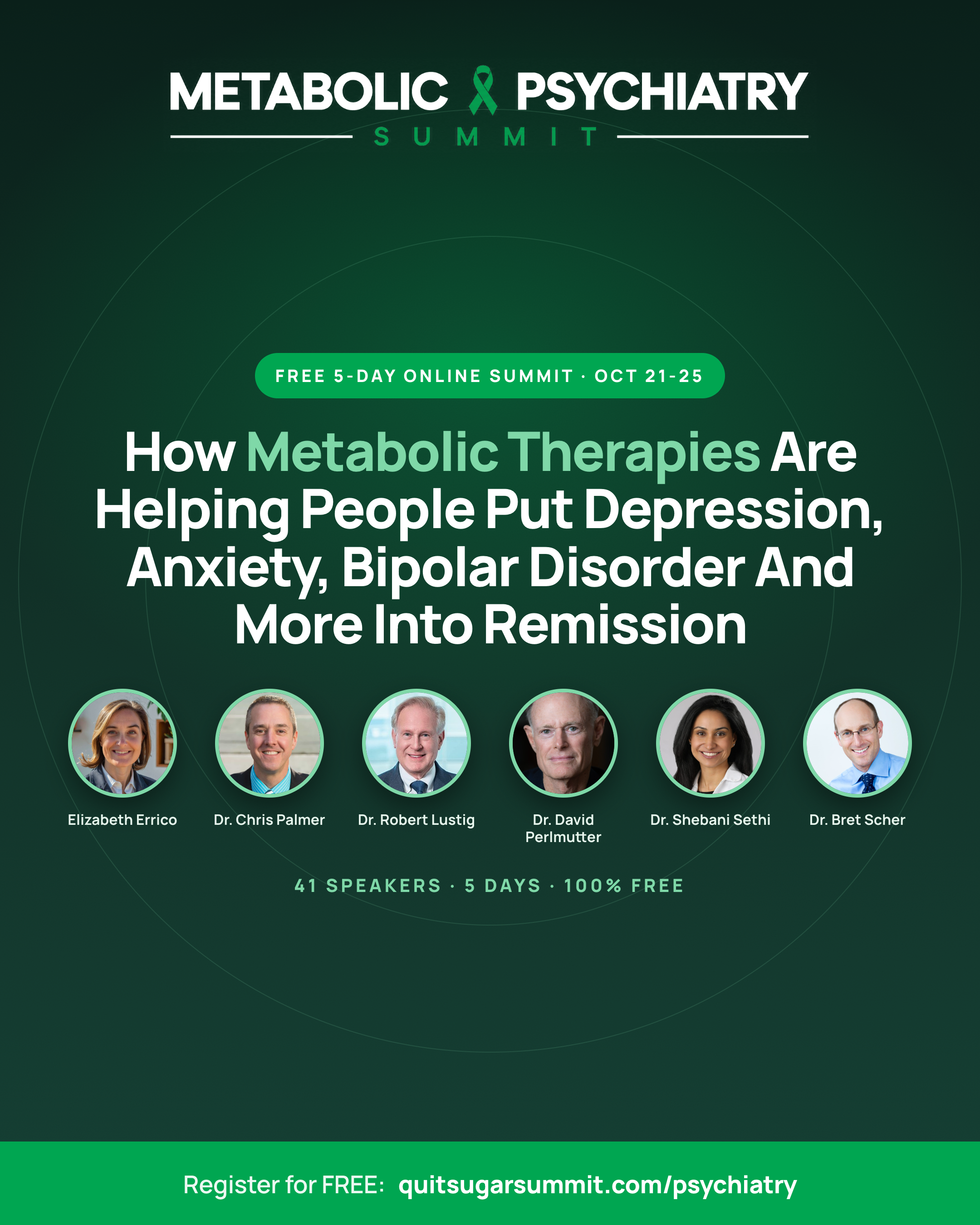
When people are living with depression, anxiety, or bipolar disorder, they are almost never told that the brain runs on energy, and these conditions can benefit from changing how the brain is fueled.
The Metabolic & Psychiatry Summit is being held with 41 of the world's leading psychiatrists, researchers, dieticians, and individuals with lived experience to bring this research to you, the public, who need it most.
We are thrilled to announce that our Executive Director, Elizabeth Errico, is a featured speaker at the upcoming Metabolic & Psychiatry Summit on October 21st - 25th. This free, 5-day online event will dive into metabolic therapies, and how brain energy and nutrition impact conditions like depression, anxiety, and bipolar disorder. |
|
|
It's been an incredible year at CMHRC and as the Thanksgiving season approaches, we're reflecting on everything we have to be grateful for.
November kicks off our annual 'Giving Thanks' campaign. An early gift is your ticket to stand with us in bringing hope and support to children and families facing mental health challenges. |
|

|
Act Today, Change Lives Don't wait until November. By giving today, you are not just getting ahead of the holiday rush, you're giving children and families the hope and resources they urgently need. Early gifts like yours help us hit the ground running, ensuring that we can provide critical support during the holiday season. Your contribution can have a big impact for those who need it most. |
|
Monthly Giving for an Ongoing Impact Take your support further by becoming a monthly donor. With a monthly gift, you provide sustained support that allows us to make a lasting difference in the lives of children and families. A recurring contribution means steady support—and that’s how real change happens! |
|
CMHRC Gift Processing | 111 Hekili St. Suite A-600 | Kailua, HI 96734 |
|
|
|


|
Sent by CMHRC Click here to unsubscribe from this list |